Research, reflection,
and the work behind the app.
Notes from the team on child development, attachment science, and what it actually looks like to build something you believe in.
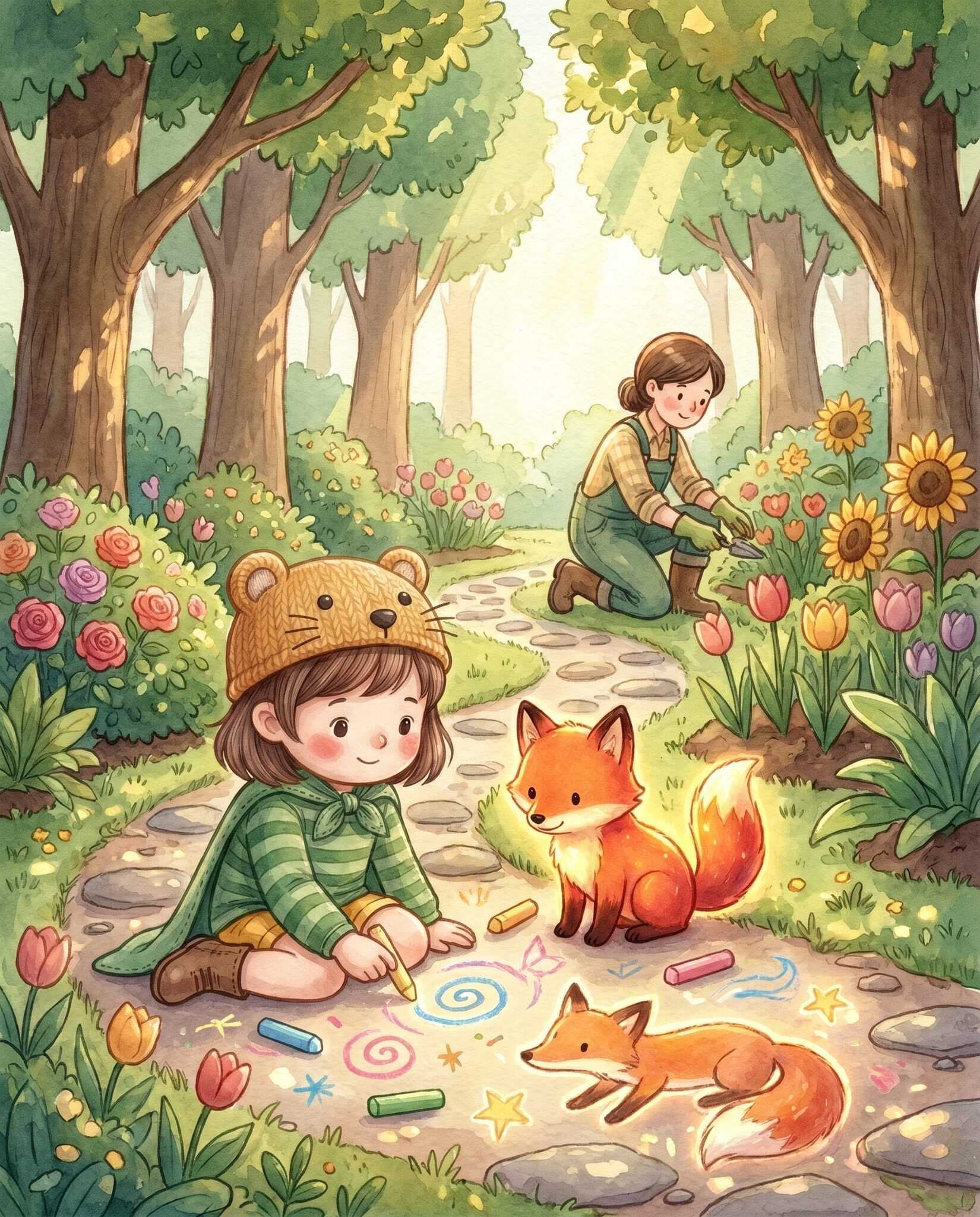
When feelings are bigger than words, a story does the talking
When a child is flooded, talk bounces off. This is the neuroscience of why — and how story can reach a child after the storm, when understanding can finally find its way in.

Why the best conversations happen side by side
Why a crayon and a piece of paper can open doors that questions sometimes can't. Some children don't open up when we look at them. They open up when we sit beside them.

Your child isn’t acting out. They’re speaking in the only language they have.
Behaviour is always communication. Every difficult behaviour is a message — from a child who does not yet have the words, or the neurological capacity, to deliver it any other way.

The ethical checklist we run before every story Nuri Tales generates
A story that makes a child feel ashamed is a failed story — regardless of how beautifully it is written. Here are the eight guardrails we check before any story reaches a family.
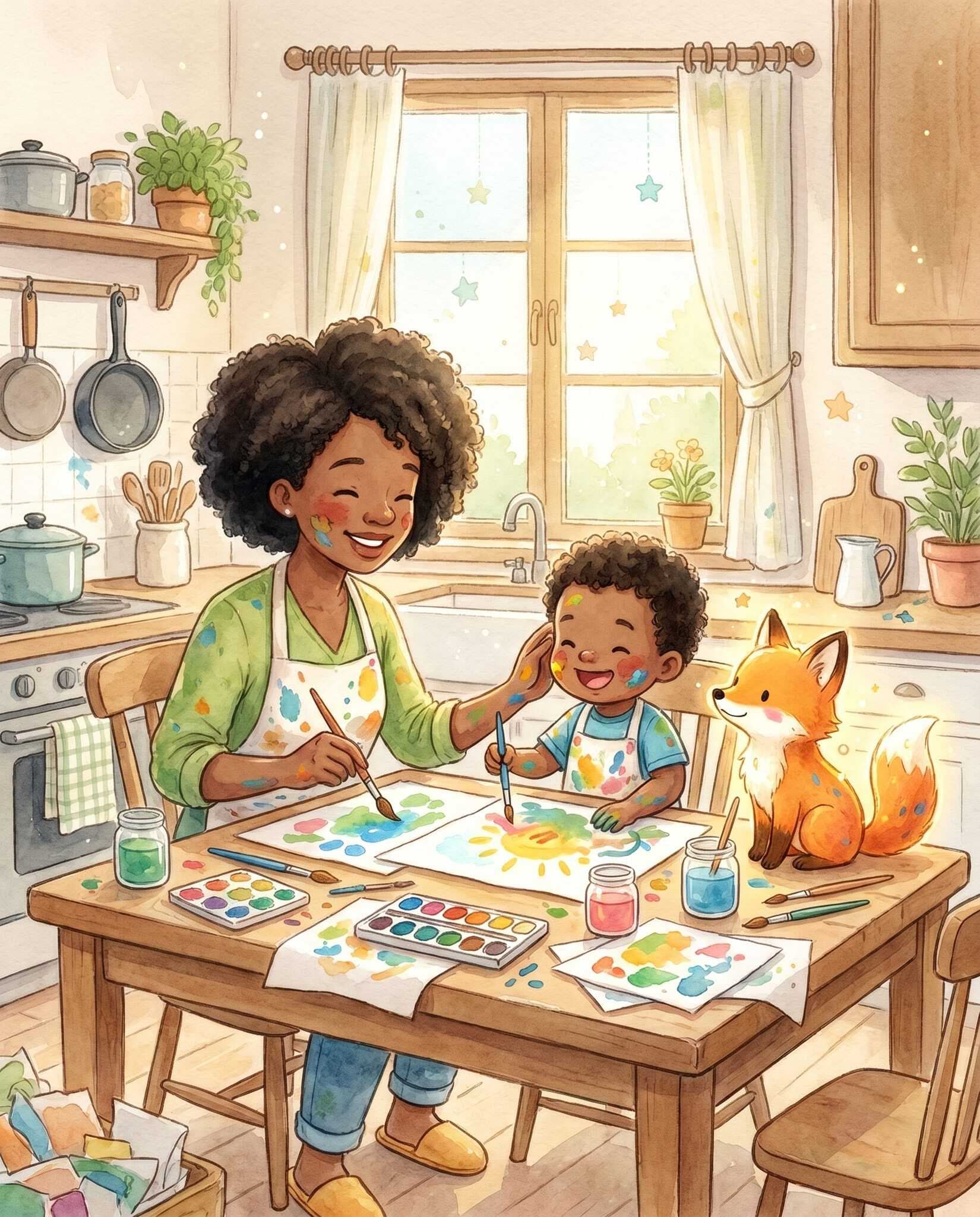
I build with AI. I also have serious concerns about AI and childhood. Here is how I hold both.
Anyone building AI products for children who does not feel this tension is either not reading enough or not being honest enough. Here, as plainly as I can manage, is how I hold both truths at once.

The empathy window you don’t want to miss: ages 4 to 6
Between ages four and six, a window opens in your child’s brain. It is not a metaphor — it is a neurological event. And knowing it exists changes everything about what you do with these years.
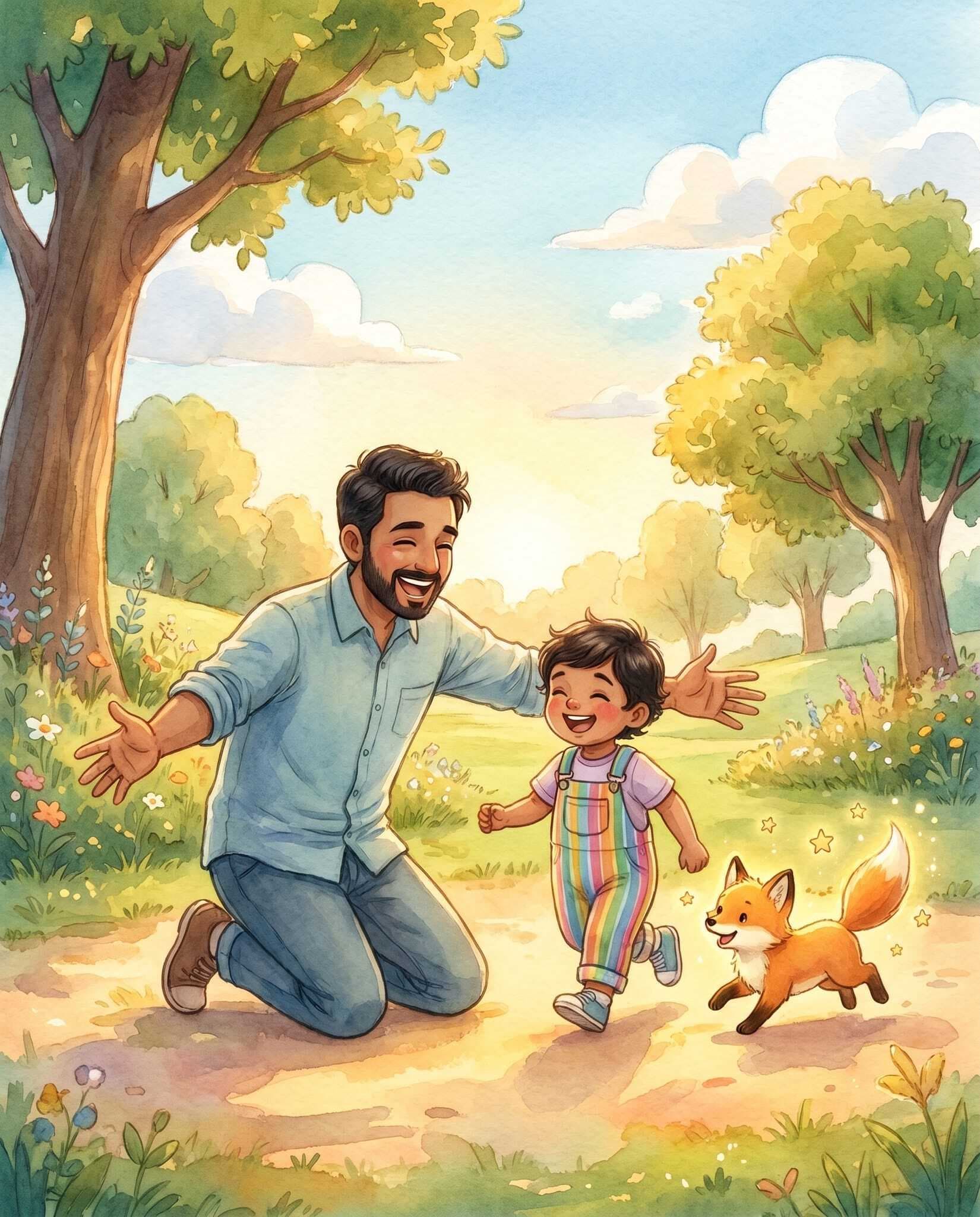
When your child says ‘I hate you’ — what they are actually telling you
Those three words land somewhere in your chest. They sound like rejection. But developmental research tells a completely different story about what a child actually means when they say them.

What 50 parents told me about their hardest moments — and what I built because of it
I asked 50 parents to describe their hardest parenting moment. Not their proudest. Their hardest. The answers were more honest than I expected — and they changed everything about how I built Nuri Tales.
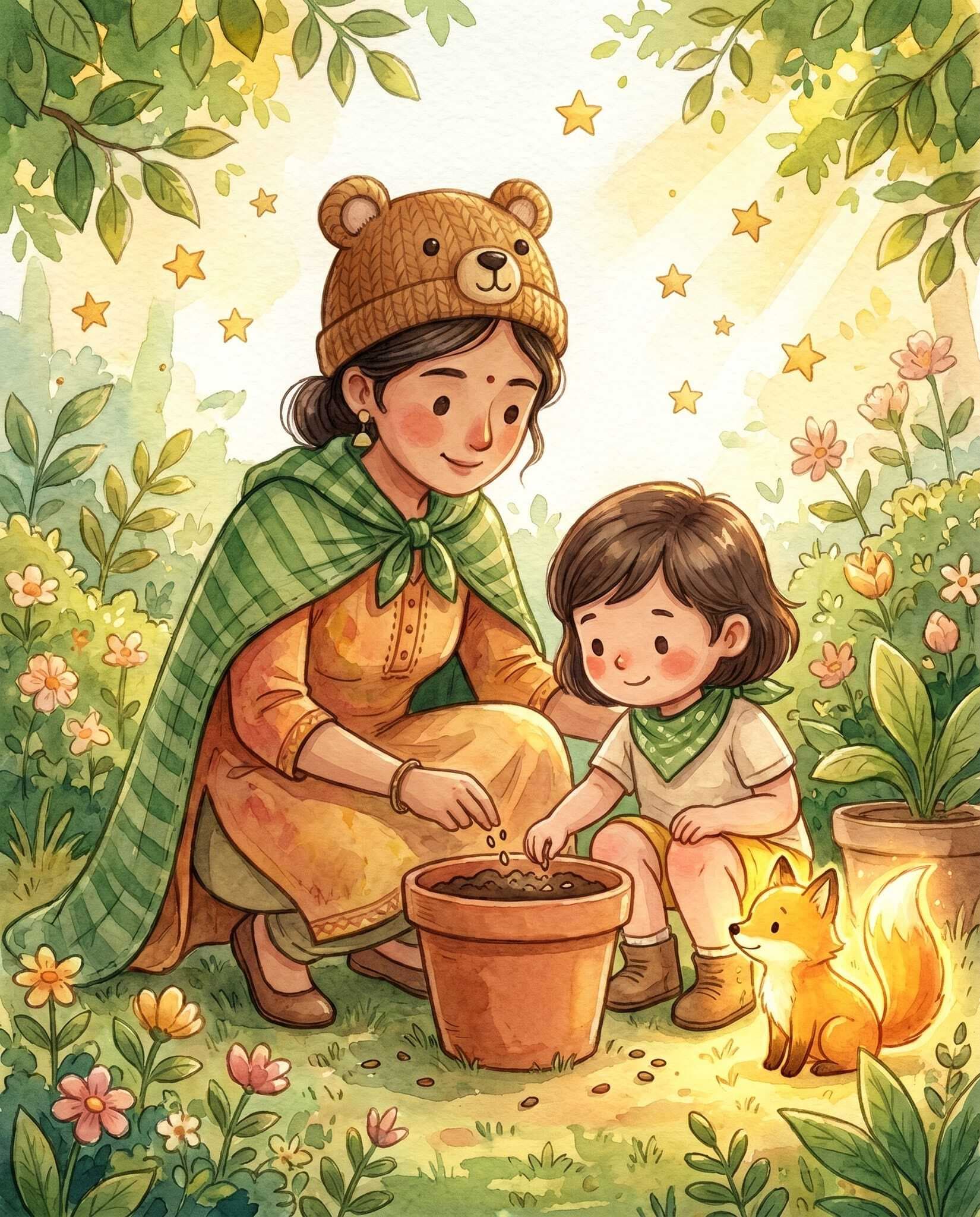
Why the right story at the right moment can do what no lecture ever could
A lecture activates two areas of the brain. A story activates seven. Here is what that means for the way we talk to our children — and why it matters more than we realise.
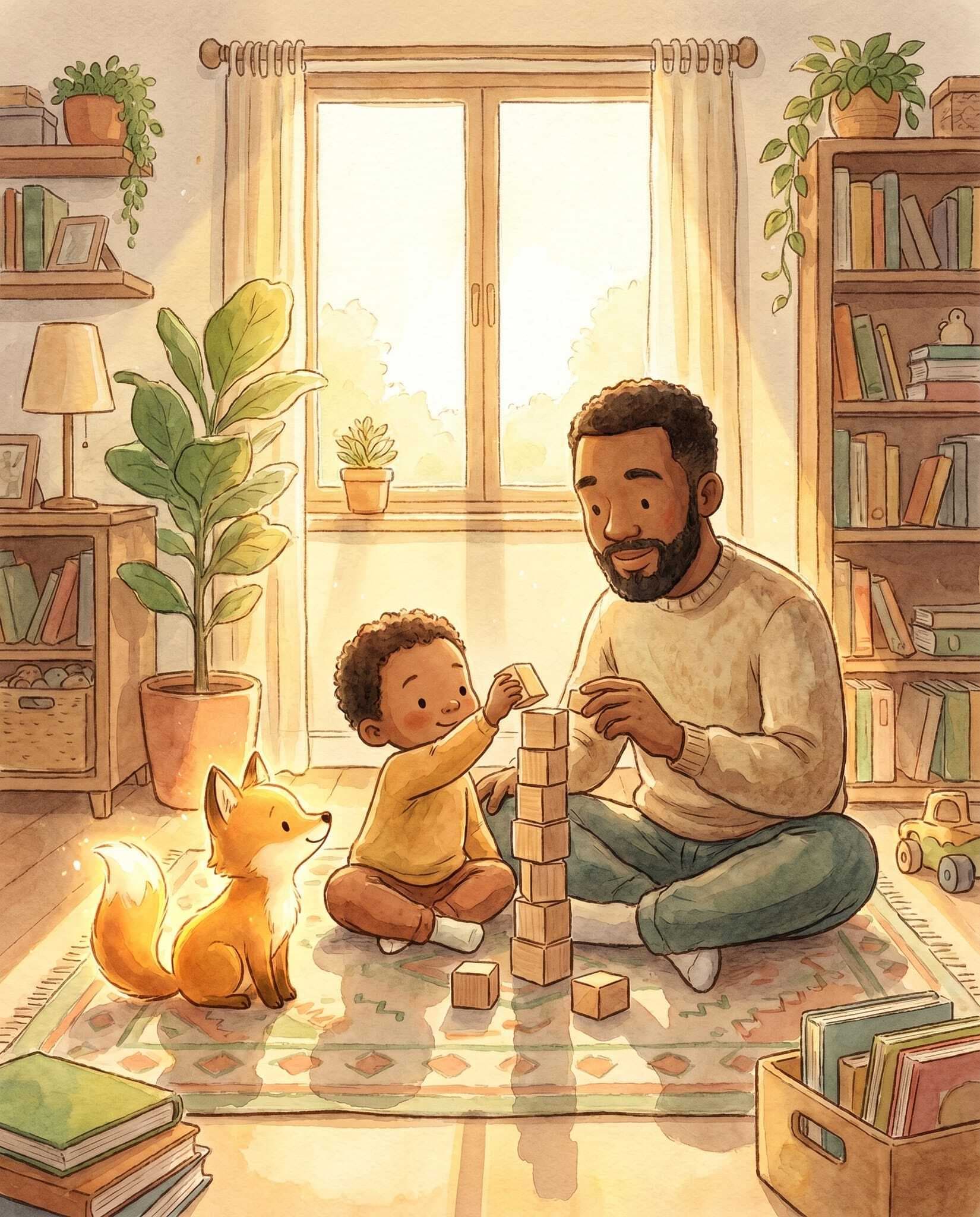
The guilt that lives in every parent who is also building something
There is a particular kind of guilt that comes from loving your child deeply and being distracted anyway. This is an honest piece about that tension — and what I have learned to do with it.
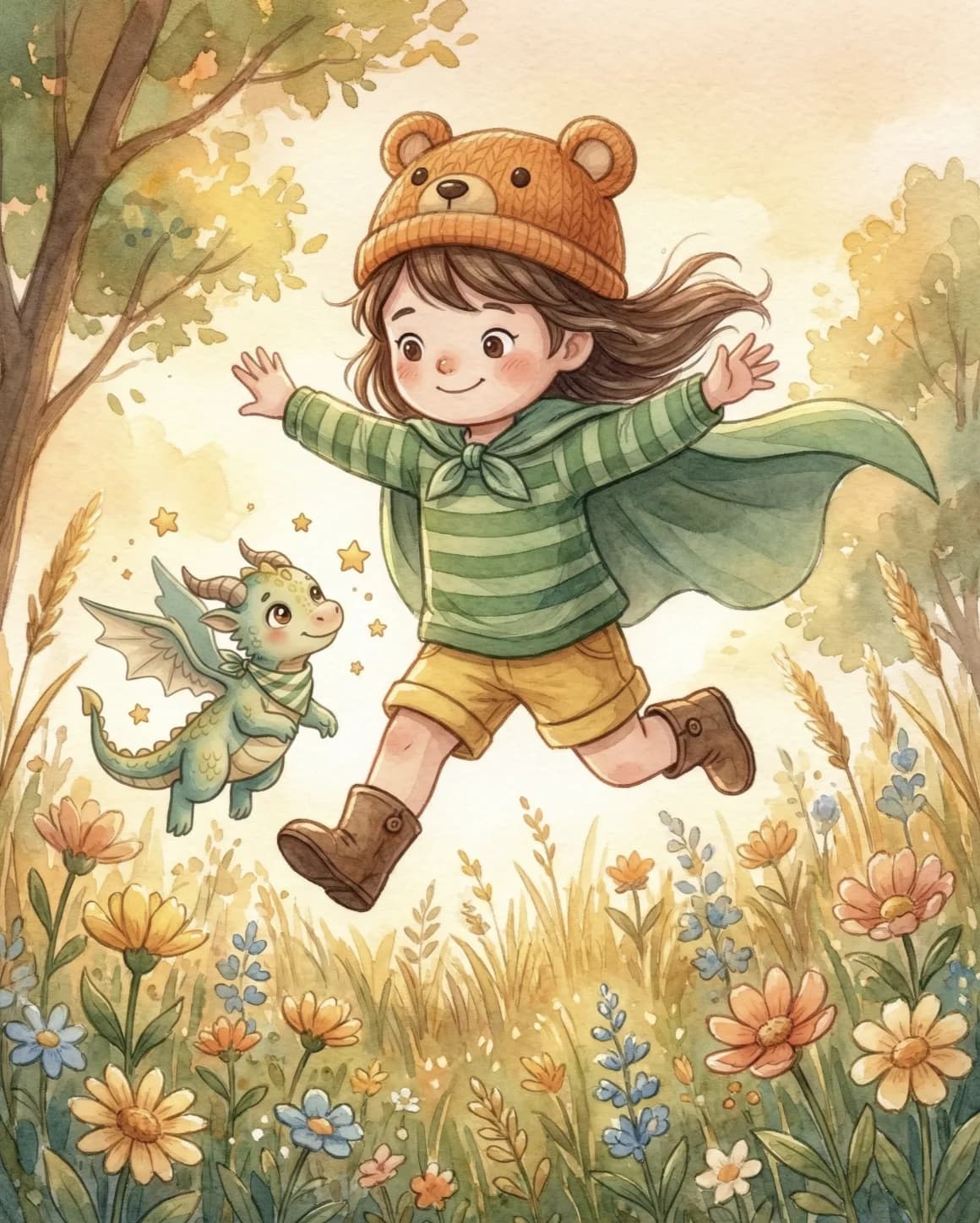
Five micro-moments that build deep connection with your child
Connection does not require a perfect weekend or an uninterrupted evening. It requires five seconds of genuine attention — in the right moment. Here are the five moments that matter most.

Why repair matters more than perfection — the science of coming back
The parent who never ruptures is not the model of excellent parenting. The parent who repairs — consistently, warmly, without shame — is. Here is the research behind that claim.
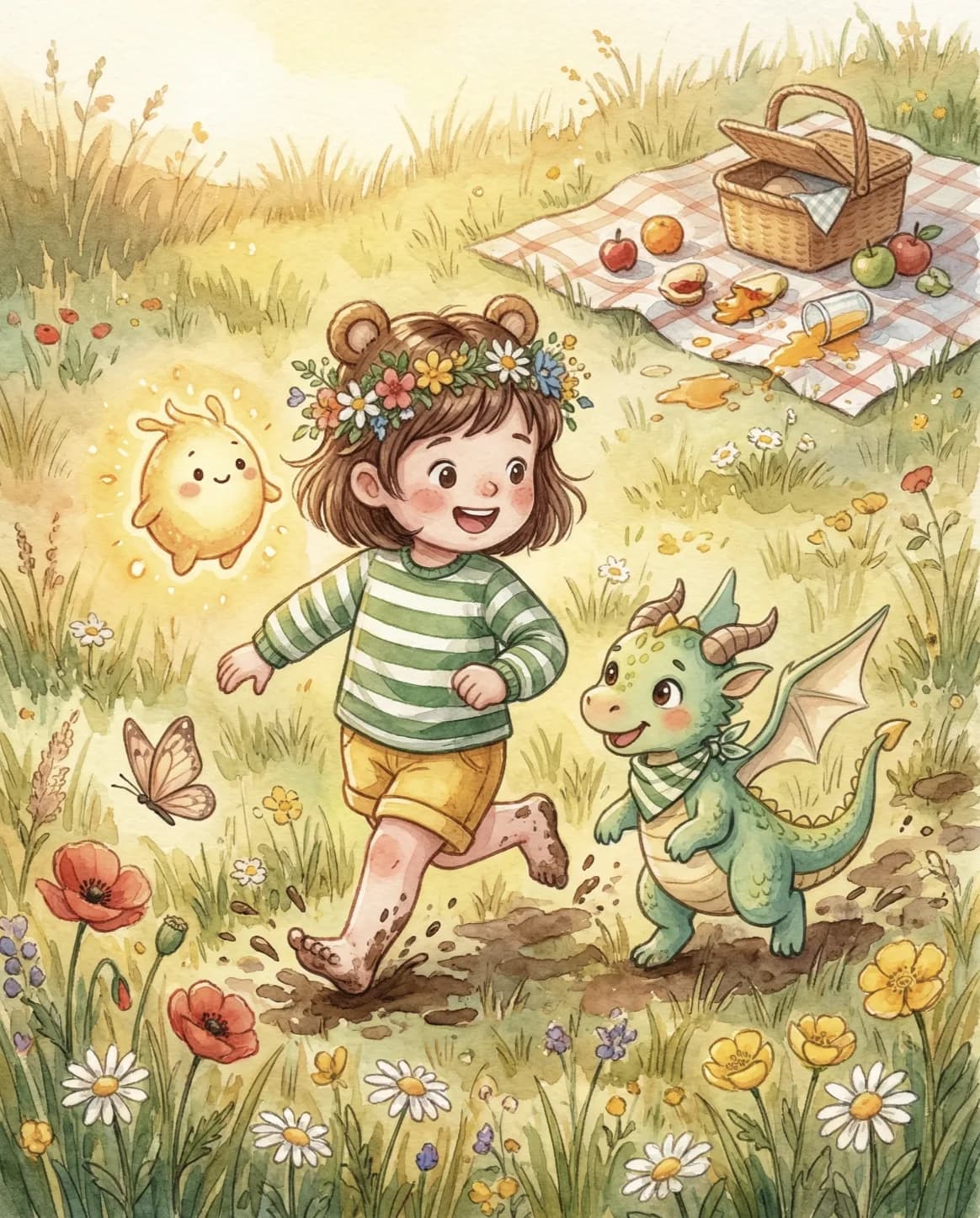
Three little questions that open the biggest doors
Children do not always have the words for what they feel. But they respond to the right questions. These three have opened more conversations in our house than any lecture ever did.
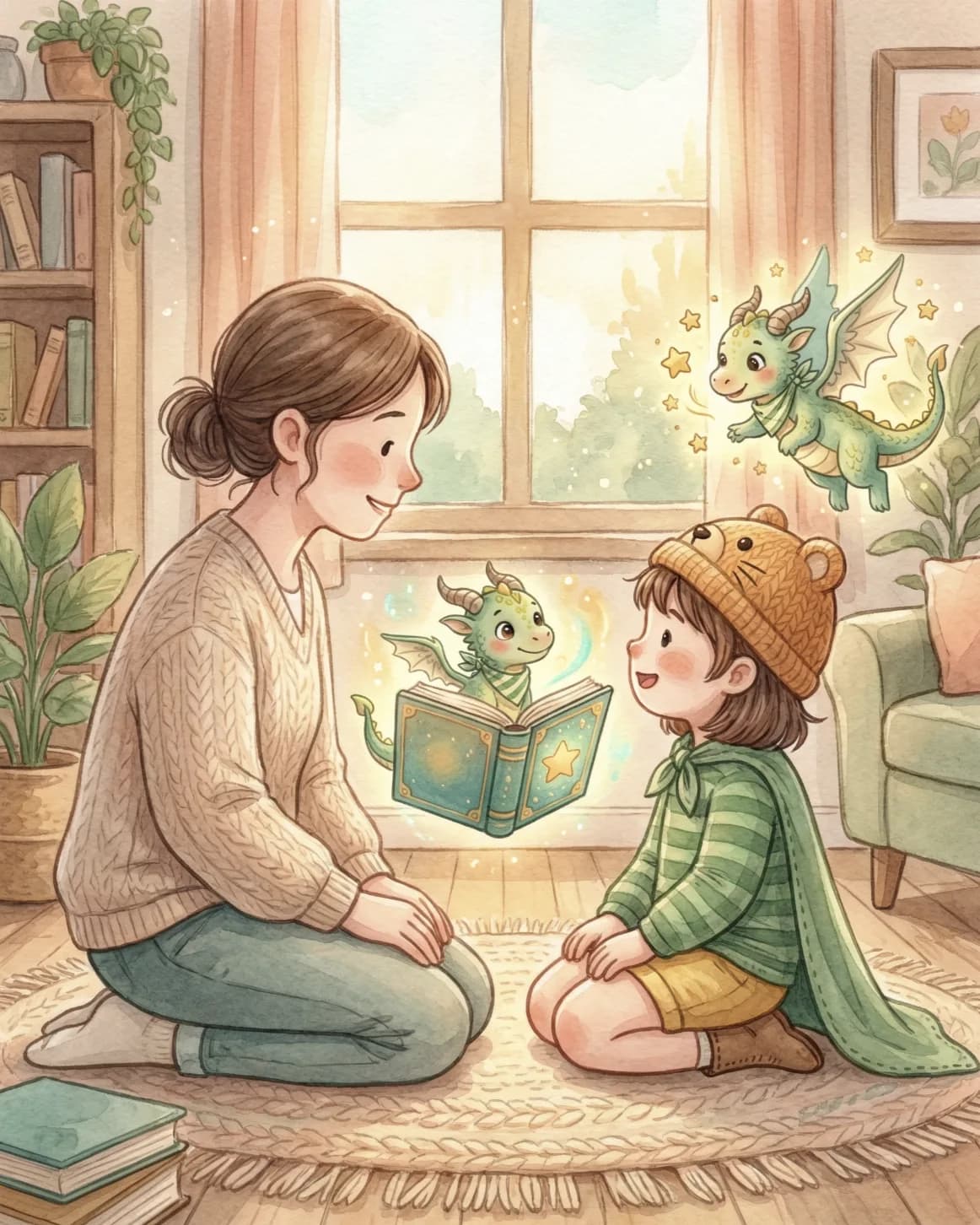
Tantrums are not bad behaviour — they are a developmental milestone
Every parent has been there: the floor, the supermarket, the car. A tantrum is not a failure of discipline. It is a sign that your child's brain is doing exactly what it should — and here is what to do about it.
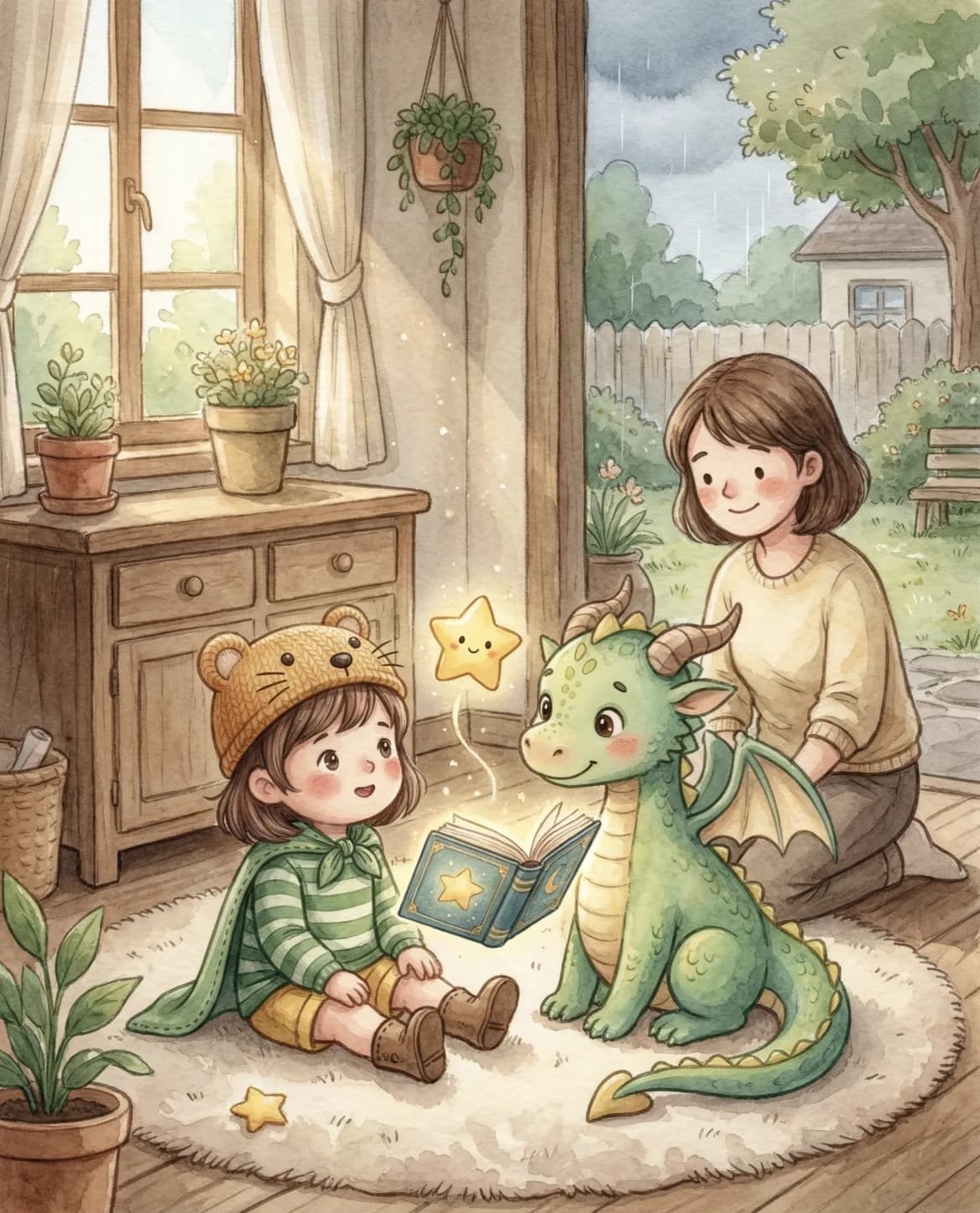
Stories vs. screens: what the research actually says
The debate around screens and children is loud and often poorly sourced. Here is what the developmental research actually says — and why the distinction between passive and interactive content matters more than the device itself.
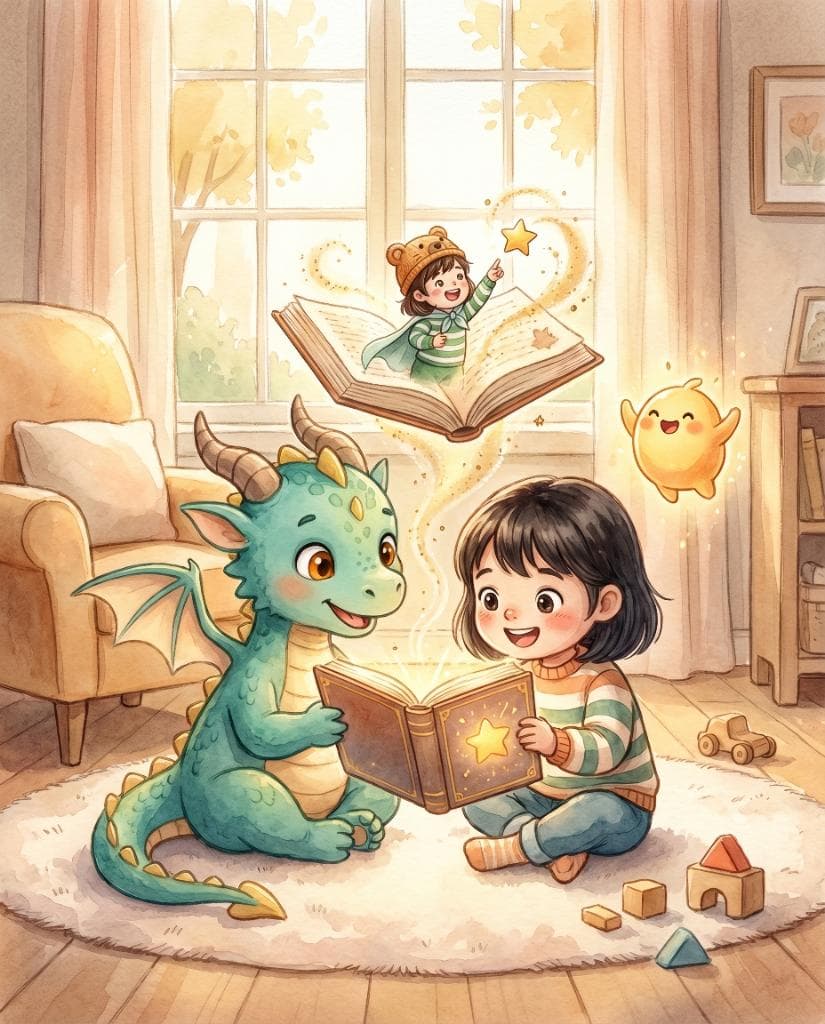
What happens in a child's brain during a bedtime story?
Why children remember stories and forget everything you told them. The neuroscience of narrative — and why bedtime reading is one of the highest-leverage things a parent can do.

Why children remember stories and forget everything you told them
Instructions fade. Lessons go in one ear and out the other. But a story heard once at age four can resurface at fourteen. This is the cognitive science behind narrative memory — and what it means for how we parent.